


Every expat moving to Bali needs a realistic guide to living in Bali. Without a guide, expats with their families may feel a bit lost because the reality of living there can be quite different from what people frequently say.
Following a guide helps them with their families to live peacefully and safely on the Island of the Gods. They can enjoy slow-living moments there. Here is an in-depth explanation of the reality of living in Bali for the expats.

Image Source: Envato
As Dewata Island is popular among tourists, families picture themselves waking up to sunny mornings, tropical villas, and a chance to live more slowly in Bali rather than staying in a busy city.
They might also imagine enjoying a smoothie bowl every morning for a peaceful moment of relaxation. This dream makes them have an enormous desire to live on the Island of the Gods.
However, not all dreams are completely true. The reality hits differently who want to live there with their families. This island has its own ‘dark side’, which makes them face reality when staying on the island.
The reality of living in Bali involves navigating unpredictable traffic, particularly in tourist-heavy areas like Canggu. This congestion often undermines the 'slow living' ideal, leaving residents and visitors stuck on the road for hours at a time.
Not everything runs on time in Dewata Island, making them develop their patience to undergo their own routine. Therefore, it will not ruin their mood when trying to mobilize from one place to another.
There is a balance somewhere in between the two wherein the island is completely peaceful despite having unpredictable traffic. Expats with families can still enjoy Dewata Island since it has adequate places to visit, especially when they want to experience things to do in Bali with toddlers across the island.
Even they with their families can visit popular destinations, like Sanur Beach, and craft sandcastles as one of the kid-friendly activities in Bali that brings a remarkable memory for kids.
There are also pros and cons of living in Bali. Expats will feel the peaceful surroundings as the locals have a respectful culture. The living cost is completely cheap compared to other cities.
But the pros always come with cons. The petty theft might occur in the hotspot area for tourists. Also, they will spend more time in the street as traffic is hard to predict; it is either heavy or light. So, building patience is important in the Island of the Gods.
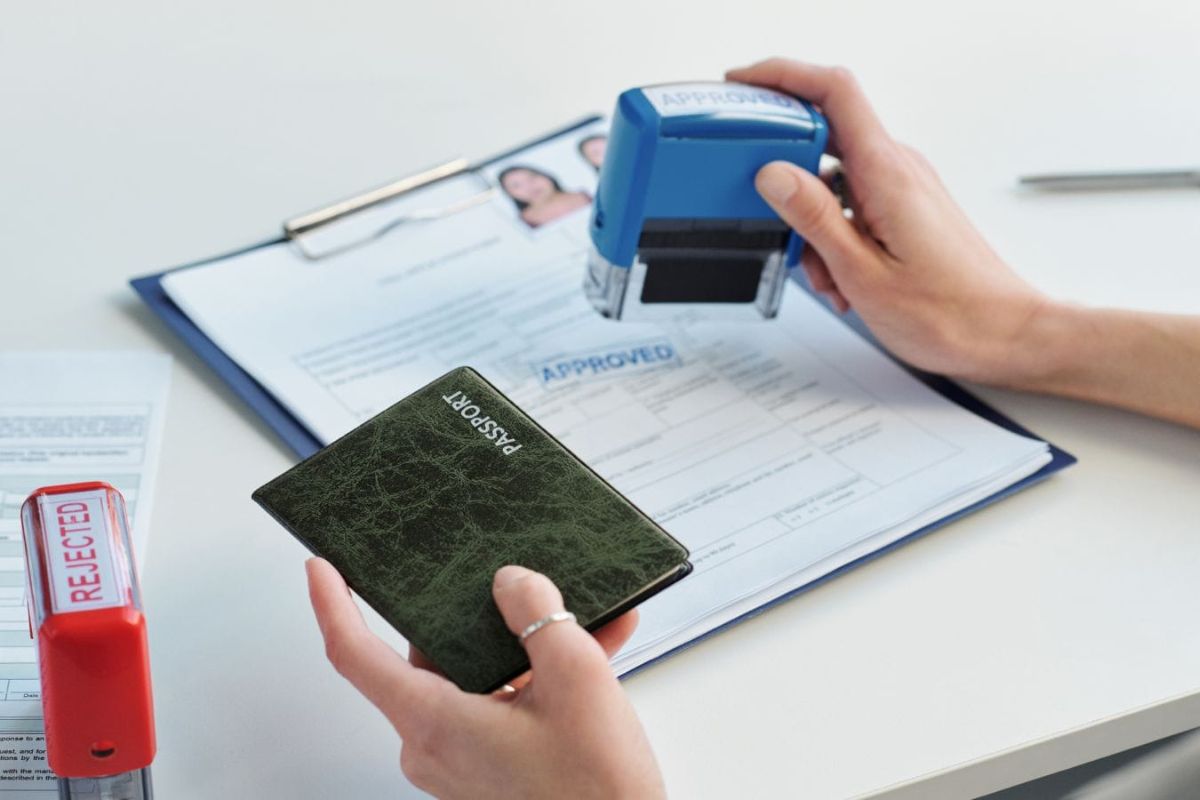
Image Source: Envato
Dewata Island feels like a paradise for many expats; however, when it comes to visas in 2026, things are more structured, more digital, and slightly stricter than usual. They should know how the visa system works, making it easier to navigate.
There are three 2026 visa landscapes to choose from. It will help them with their families to visit the island without any problem in the future.
To avoid problems with living in Bali, they can choose a Visa on Arrival (VOA), which is best for short stays, first-time visitors, and casual travel. This kind of visa is valid for 30 days and extendable once for another 30 days.
VOA is mostly digital-first, as expats with families can apply online before arrival, saving time at Ngurah Rai International Airport. They also have to pay around IDR ~500.000 or around $~30.
However, this type of visa is not for long-term living. The immigration will be stricter about repeat entries as visa runs are riskier now.
It is the best visa option for digital nomads, solo travelers, or even remote workers who want to work remotely in Dewata Island with their families. Initial stay for this type of visa is 60 days and extendable up to 180 days total.
To propose this visa, expats and their families have prepared a local sponsor or agent to get it. It makes the visa become more flexible than the VOA and is widely used by expats living in Bali semi-long-term.
A thing to understand is that the B211A Visit Visa does not allow them to work for Indonesian companies. They can work remotely for a company outside Indonesia.
KITAS becomes the best visa for serious long-term living in Dewata Island for them and their families. This visa typically includes 1) Work KITAS (sponsored by the company), 2) Investor KITAS, and 3) Spouse KITAS.
The visa itself is valid for 6-24 months, and it is renewable. It allows the expats to legally stay in Indonesia, especially in Bali. KITAS also brings stability for them for banking, leasing, and many more.
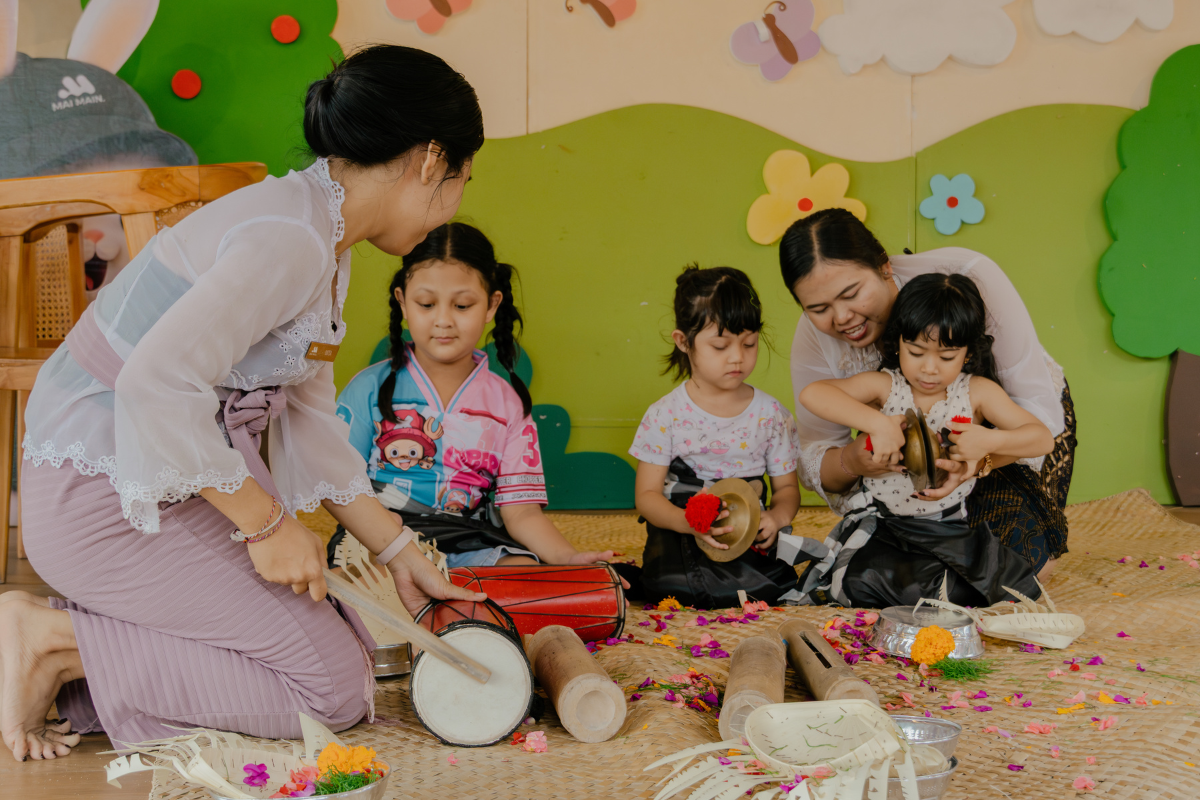
Image Source: Mai Main
The cost of living in Bali should be calculated well. Although it is relatively cheap for the expats, budgeting is important. Through budgeting, they and their families can wisely spend their money in the right place, whether for taking kids to the playground in Bali or living slowly and enjoying the peaceful surroundings.
If they bring families together to live on Dewata Island, they have to choose either living in comfort way or living luxuriously by visiting certain high-value places. Because the chosen places take a major role in the budget.
The living costs in Bali might be confusing, so here is the detail of the budget for families that want to stay on the island for a long time:
Monthly estimate for a comfortable life in Bali is around $1.300 - 2.500. The most expensive part of paying the cost is for accommodation, which is around $800 - $1.800 monthly.
While for eating, they and their families can combine between high-end restaurants with
warung, local tenants selling Indonesian dishes, which cost around $300-700 for a month.
For a comfortable way to survive, expats have to allocate a budget for lifestyle, as it becomes a part of the cost of living in Bali. They can spend around $200-600 to enjoy the entertainment or even visit destinations, like Bali Bird Park.
Expats can live luxuriously when they visit Bali with their families. But, they have to calculate the budget first to experience the luxury on the Island of the Gods. Monthly budgeting to live there with fancy things is around $3.000-6.000+.
Visiting beach clubs or staying in the recommended hotels in Legian costs a lot of money. They, at least, have to spend around $2,000 – $5,000+ per month only for the accommodation.
To experience the best restaurants in Bali which offer a course meal option, expats and families have to spend around $800-1.500+. Using this budget allows expats to enjoy a table experience in Ubud, like Seven Paintings.
All these budgets above are for expats who want to experience Bali most comfortably. But, they can also enjoy Dewata Island in the cheapest way. Expats can choose a budget-friendly accommodation with adequate amenities to support their lives monthly.

Image Source: Envato
If expats are planning to live in Dewata Island for the long term, they have to choose the right neighborhood. It plays a huge role as a neighborhood that helps expats to live comfortably during their stay on the island.
They can choose one of the best neighborhoods in Bali from these three choices, which include:
It is the most popular place for expats to live. The vibe is trendy, busy, social, and creative. Expats with families can find many attractions and destinations in Canggu as the area is accessible.
There are endless cafes and coworking spots, which are perfect for expats to work remotely from Dewata Island. After being busy with work, they can visit the beach, which is complemented by the nightlife, blasting away the expats' stress level
Living in Bali will bring ultimate peace if the expats stay in Ubud. They will see the jungle and vast, lush rice fields. Expats will not hear any honks as the place feels way too quiet.
Long-stay expats can eventually rest properly in Ubud as the place is not as busy as the other hotspot areas. Expats with families can do yoga together at a slower pace, creating a memorable experience in enjoying nature while doing exercise.
These two areas have different vibes, so expats can choose whether they want to live in a busy and crowded place like Canggu, or stay in the quietest place across the island, which is Ubud.
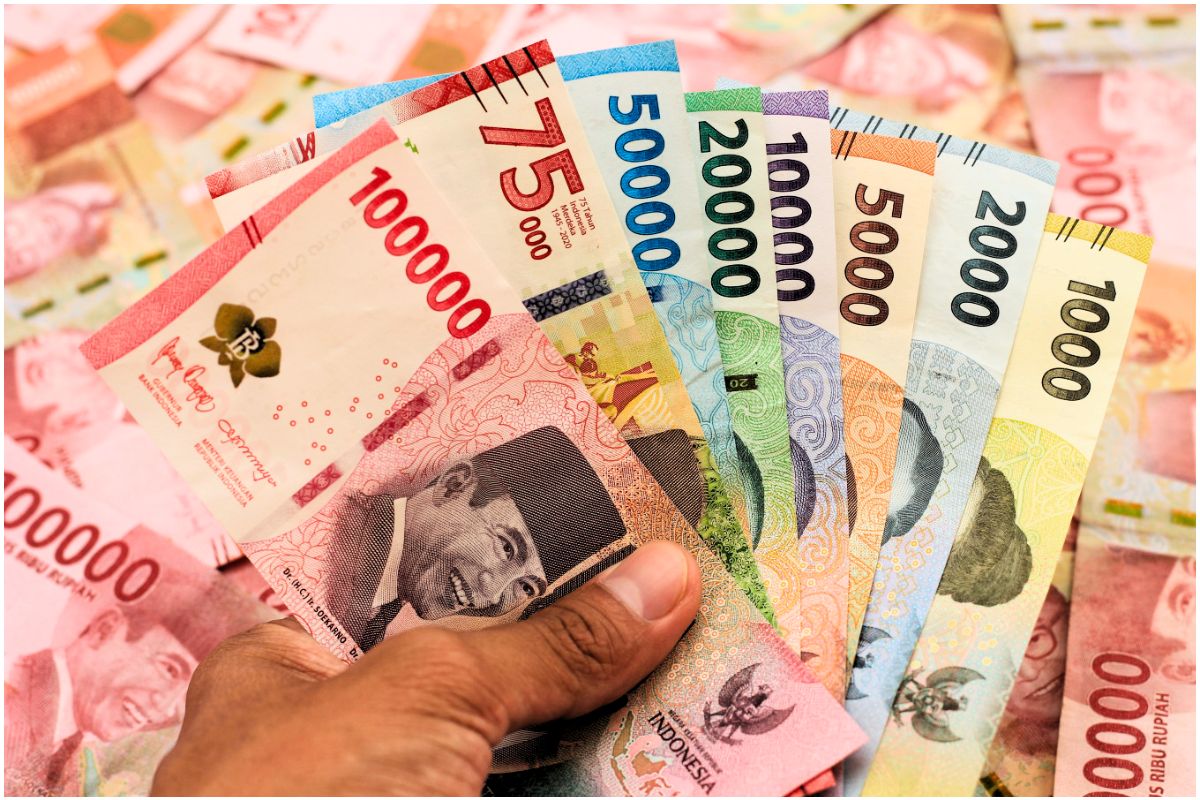
Image Source: Envato
To avoid problems with living in Bali, expats have to understand the practical essentials. It includes the health, banking, and schooling. These three things are important to support them to live comfortably on Dewata Island.
Healthcare on the island is reliable for general needs. They can visit the hospital to cure the minor issues as the costs of GP visits are not expensive, which is around $20-50. But in an emergency state, the cost can escalate quickly.
For those seeking medical care, BIMC Hospital Nusa Dua, Siloam Hospitals Bali, and Kasih Ibu Hospital are well-established options. Often preferred by the expat community for their accessibility and standard of care, these hospitals house various departments staffed by qualified doctors.
Bali runs on a mix of cash, digital, and international banking. There are three popular local banks to use, which are Bank Central Asia (BCA), Bank Mandiri, and BNI. To open bank accounts in Indonesia, they are required to have a KITAS Visa.
If expats are moving to Bali, the island has excellent international education. There are three schools that are popular among them, which are Green School Bali, Canggu Community School, and Bali Island School.
Annual tuition per 2026 is quite high, which is around $8.000 - 25.000+ per year. Therefore, expats have to calculate in detail, so the cost will not bring any problems in the future.

Image Source: Envato
Dewata Island is one of the easiest places in the world to meet new people. People, either locals or other expats, are open to conversations. The social settings happen naturally, which include cafes, gyms, and beach clubs. They can literally make a friend in a day.
However, many people are temporary, so the friendship can feel fast but short-lived. Therefore, they need to focus more on quality over quantity. It helps them to have a great networking experience in Dewata Island.
For the best experience in growing the networking, expats with families can come to several activities, like yoga and wellness classes, creative workshops, fitness groups, run clubs, and spiritual sessions.
Shared experiences will create a deeper, more consistent friendship, so networking goes well along with social life. Even through social networking, they can visit the destination place with their friends, like Melasti Beach.
With networking, they can also get insights into buying souvenirs that they can bring once they get back to their hometown. Snacks, like pie susu Bali, can be bought and they share it to their kinsmen.
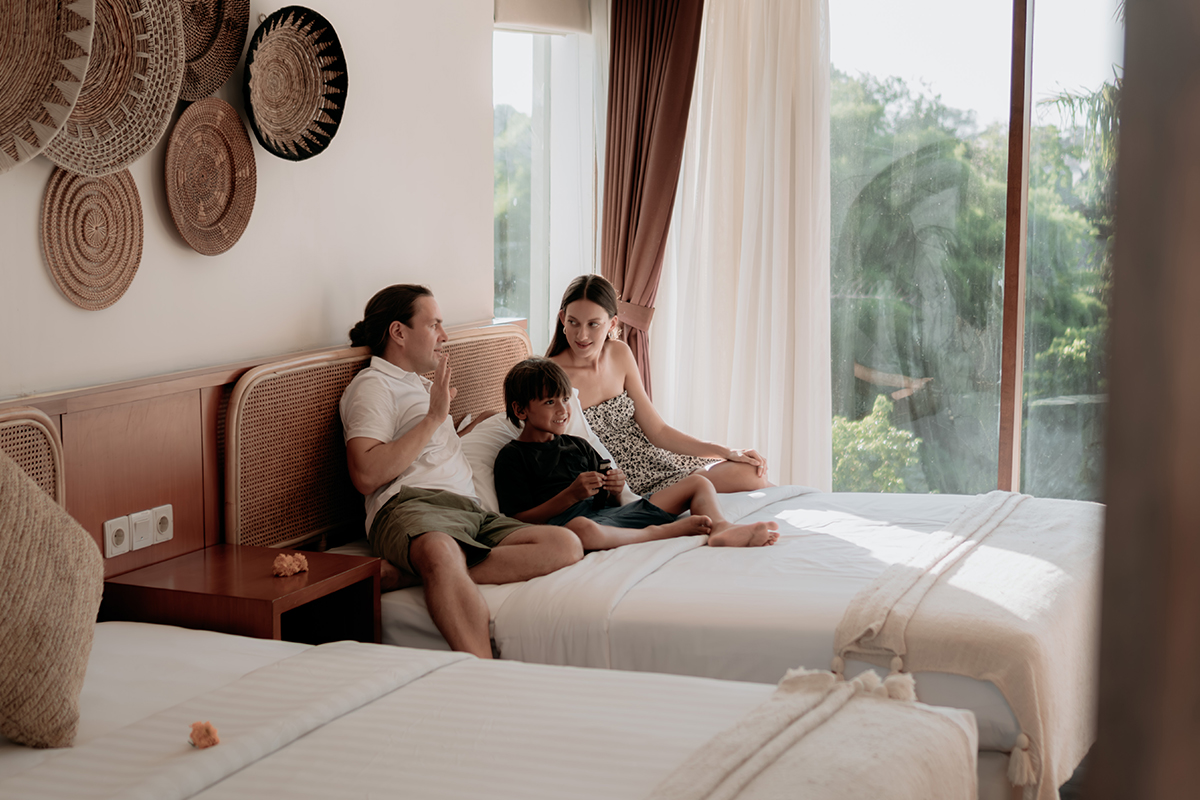
Equipping yourself with a comprehensive understanding of life in Bali is the first step toward a seamless transition. By mastering the local nuances and lifestyle essentials, you and your family can move beyond mere preparation and truly begin to thrive, creating a peaceful and fulfilling life on the world’s most beautiful island.
Stay at SOLO is equipped with adequate amenities, helping the families to stay properly during their trip on the island. Discover more about Stay at SOLO to book the right accommodation!